
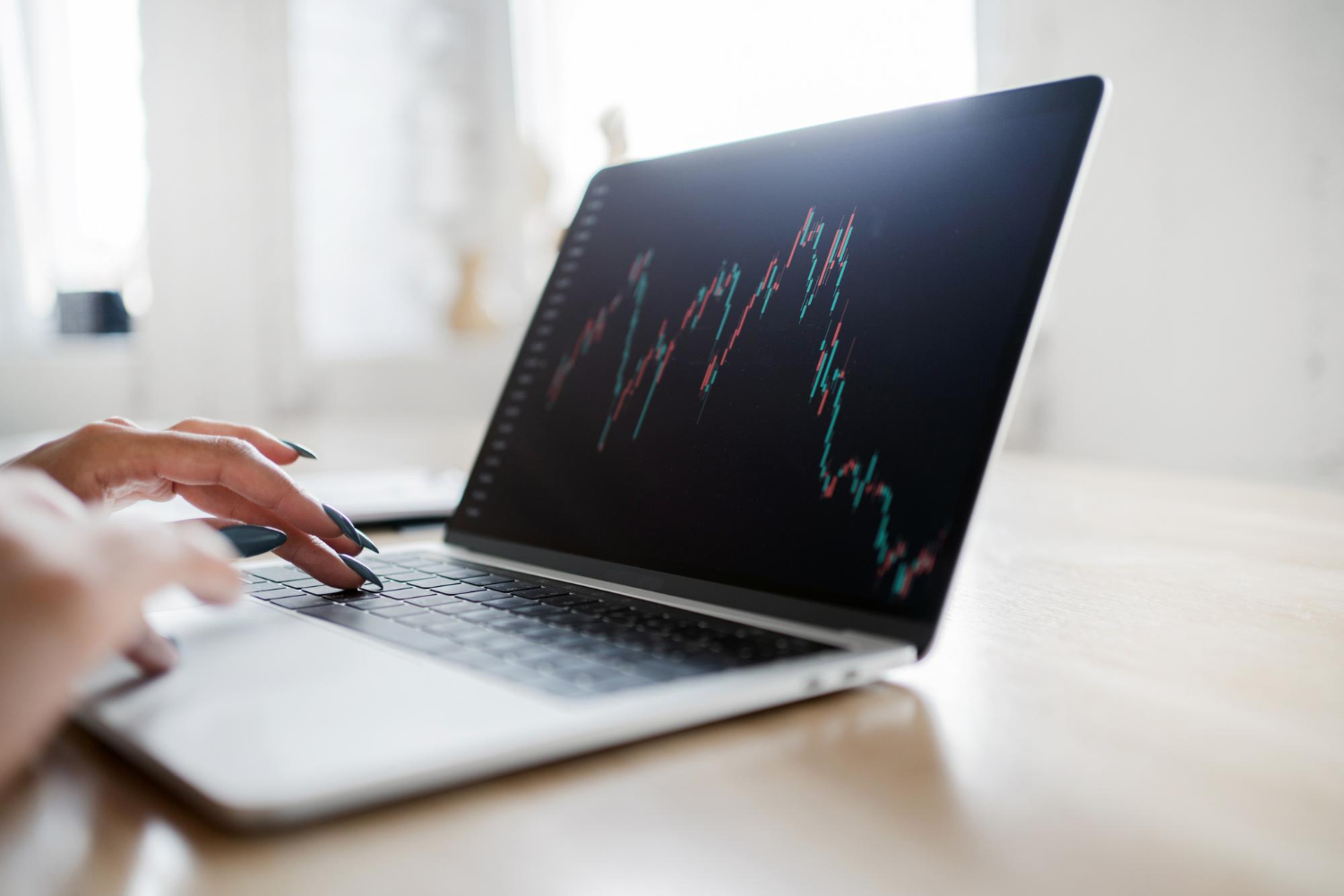
The landscape of trading platforms has transformed dramatically, reshaping how investors interact with financial markets. In India, this evolution holds significant implications for both retail and institutional traders, as technological advancements and regulatory shifts redefine the rules of engagement. From the early days of traditional trading to the rise of algorithmic and social trading, this article explores key milestones and future trends, offering insights into how these changes will impact the Indian investor’s journey. Prepare to discover a new era in trading that could change everything.
Definition and Purpose
A trading platform is software that investors use to buy and sell financial assets, including stocks, bonds, commodities, and cryptocurrencies. These platforms provide access to real-time market data and analysis.
They offer essential functionalities, such as order execution, enabling users to buy and sell financial assets with just a few clicks. Additionally, trading platforms include tools for market analysis, featuring real-time market data feeds and technical indicators that assist traders in making informed decisions.
Zerodha is a highly popular trading platform in India, known for its low brokerage charges and user-friendly interface. In contrast, Upstox is a platform that offers robust charting features along with numerous technical analysis tools.
Both platforms cater to various trading styles, accommodating everyone from casual investors to day traders, thereby providing the versatility to meet different users’ needs and enhancing trading performance.
Historical Context
The evolution of trading platforms began in the 1970s with the introduction of electronic trading systems, which have significantly transformed the landscape over the decades through trading innovations.
In the 1990s, E*TRADE emerged as the first online trading platform, allowing individuals to trade stocks via the Internet.
Moving into the early 2000s, the launch of the Charles Schwab mobile trading platform marked the introduction of the first mobile trading apps, enabling users to trade from their mobile devices.
By the late 2010s, Robinhood entered the market as a commission-free trading platform, attracting millennial and Gen Z traders and further changing the trading landscape.
These milestones demonstrate how technology has continually reshaped the trading experience, making it more accessible and user-friendly.
The Rise of Online Trading
Online trading has democratized access to financial markets, enabling retail investors to participate with unparalleled ease and flexibility.
Early Innovations
Early innovations, such as the development of the internet and direct market access (DMA), laid the groundwork for the exponential growth of online trading platforms.
These technologies enabled traders to execute orders directly through electronic exchanges, eliminating the need for intermediaries.
Platforms like E*TRADE and Ameritrade were among the first to provide desktop trading software, allowing users to monitor the markets in real-time and execute trades quickly.
The introduction of user-friendly interfaces and mobile applications further democratized trading, making it accessible to retail investors.
Today, tools like Robinhood offer commission-free trading, highlighting the evolving landscape of online trading and underscoring the importance of technology in making investing more approachable through user-friendly investment apps.
Impact on Retail Investors
The rise of online trading has significantly lowered barriers to entry for retail investors, resulting in reduced trading fees and increased market access.
According to the Securities and Exchange Board of India (SEBI), retail investors have seen a 40% decline in trading fees over the past five years, coinciding with a 25% increase in participation rates among individual investors.
Tools such as discount brokers enable trading at minimal commission costs, while mobile applications offer access to real-time market data.
For instance, platforms like Zerodha and Upstox have gained popularity for providing zero-commission trading on equities, supported by robust trading infrastructure.
Technological Advancements
The introduction of algorithmic trading and mobile applications represents significant technological advancements that have fundamentally transformed trading strategies and enhanced investor engagement in recent years.
Algorithmic Trading
Algorithmic trading refers to the use of computer algorithms to buy or sell financial assets, enabling trades to be executed at speeds and volumes that human traders cannot match. This method significantly alters the way markets operate.
It can optimize various strategies, such as arbitrage and trend following, by allowing for the real-time analysis of large data sets. For instance, a successful algorithmic trading strategy employed in the Indian markets involves using moving averages to determine optimal entry and exit points based on trend changes.
Tools like MetaTrader are commonly utilized for backtesting and execution. However, algorithmic trading carries risks, including system failures and market volatility, as evidenced by the infamous 2010 Flash Crash.
Therefore, while algorithmic trading can enhance profitability and efficiency, it is crucial to implement proper risk management practices to ensure long-term success, especially during periods of market volatility.
Mobile Trading Applications
Mobile trading applications have become essential for trading on-the-go, offering real-time data and simplified interfaces. Two of the top mobile trading applications in India are Zerodha Kite and Upstox Pro, both of which excel in usability.
Zerodha Kite features a minimalistic yet advanced interface that includes a variety of charting tools, making it suitable for both novice and experienced traders. It also boasts strong security features, employing two-factor authentication to protect user data.
On the other hand, Upstox Pro provides an easy-to-use interface with smooth navigation, complemented by a customizable dashboard that allows users to quickly access news, analytics, and stock performance.
Both applications offer responsive customer support, with Zerodha providing a dedicated help center and Upstox offering assistance through live chat. Ultimately, the choice between the two applications depends on individual trading needs and preferences.
Regulatory Changes in India
Regulatory changes in India, spearheaded by SEBI, have played a crucial role in shaping the trading landscape, safeguarding investor protection, and maintaining market integrity.
SEBI’s Role
As India’s capital market regulator, SEBI has established guidelines aimed at enhancing transparency, reducing fraud risks, and promoting fair trading practices.
One of SEBI’s significant initiatives is the introduction of the T+2 settlement cycle, which reduces the settlement time for trades from T+3 to T+2. This change streamlines the trading process by ensuring that securities are delivered and payments made within two days, thereby fostering greater liquidity.
Additionally, SEBI has implemented strict regulations to combat insider trading by improving disclosures related to stock price-sensitive information. These regulations include mandatory reporting requirements for listed companies, which help bolster public trust in market integrity and deter unethical practices.
Recent Policy Developments
Recent policy developments have concentrated on improving market accessibility and integrating technology to address the evolving needs of investors.
One notable initiative is the introduction of the Securities Lending and Borrowing Mechanism, designed to enhance liquidity in the market. This mechanism enables institutional investors to lend their securities to short sellers, facilitating more dynamic trading strategies and improving overall market depth.
For instance, utilizing platforms like Orica can streamline this process, allowing participants to efficiently track and manage temporary transfers of securities. By enhancing accessibility and encouraging participation, these changes are expected to create a more robust trading environment.
The Role of Social Trading
The rise of social trading platforms, which allow users to follow, copy, and learn from successful traders, has significantly influenced investment decisions.
Peer Influence and Collaboration
Peer influence in social trading fosters a collaborative environment where traders can share insights and strategies to enhance each other’s performance.
Platforms like eToro promote this collaboration through features such as copy trading, which allows users to mirror the trades of successful investors.
Community discussions further increase user engagement by providing traders with a medium to exchange ideas, strategies, and market analyses.
For instance, newcomers can follow the portfolios of top traders, while experienced traders can enhance their credibility by sharing their expertise. This dual advantage encourages a more informed trading approach and helps users make educated decisions about their portfolios.
Future Trends in Trading Platforms
The future of trading platforms will involve the integration of AI and decentralized finance solutions as technology continues to advance.
Integration of AI and Machine Learning
AI and machine learning technologies are poised to transform trading platforms by delivering advanced analytics and personalized trading strategies. These technologies enable traders to analyze vast amounts of data rapidly, thereby enhancing their decision-making processes.
For example, Tradier utilizes AI and cognitive computing to optimize trading algorithms, enabling users to automate trades based on predictive signals derived from historical patterns. Traders can also employ tools like QuantConnect for backtesting strategies using machine learning and predictive analytics, ensuring that they can efficiently adapt to market changes and evolving market dynamics.
Additionally, platforms like Alpaca offer API access, which allows for the development of programmatic trading strategies that can be fine-tuned based on AI insights, giving traders a competitive edge in dynamic markets with high-frequency trading capabilities.
The Rise of Decentralized Finance (DeFi)
Decentralized finance (DeFi) represents a new paradigm in the financial market that enables peer-to-peer trading solutions and cryptocurrency trading, eliminating the need for traditional intermediaries. This trend presents both challenges and opportunities for traditional brokerages and investors, influencing market trends and investment opportunities.
Brokerages may struggle to adapt to the reduced role of intermediaries, as they will now compete with DeFi platforms like Uniswap and Aave, which facilitate direct transactions with lower fees and improved transaction speed. Conversely, DeFi platforms offer investors greater access to liquidity and a diverse range of financial products that were previously unavailable, enhancing the overall trading ecosystem.
For instance, users can lend or borrow assets without relying on a centralized intermediary. In response, traditional brokers may innovate by integrating DeFi capabilities into their service offerings, potentially attracting a new segment of customers and improving their trading platforms comparison in the market.
Summary of Key Takeaways
Key takeaways from this discussion highlight the importance of technological advancements, regulatory frameworks, and the rise of social trading and financial technology.
Technological innovations are transforming how investors access information and execute trades, shaping the future of digital trading and online brokerage services. For example, platforms like eToro and Robinhood enable social trading, allowing users to follow and replicate the strategies of successful investors, thereby improving user experience and trading insights.
Simultaneously, regulatory frameworks such as MiFID II in Europe implement transparency measures that protect investors while requiring firms to adapt swiftly to compliance standards, enhancing financial regulations and trading regulations.
Future investors should prioritize platforms that not only support social trading but also adhere to regulatory best practices, ensuring they remain informed and secure in an ever-changing market landscape, promoting financial literacy and cybersecurity awareness.
Implications for Indian Investors
The ongoing evolution of trading platforms is influencing the behaviors of Indian investors, promoting greater engagement and knowledge-based decision making, ultimately benefiting the stock market and economic growth in India.
As these platforms introduce features such as real-time data analytics and educational resources, investors in India are becoming more proactive, leveraging trading education and market research tools.
For instance, platforms like Zerodha and Upstox provide tools for technical analysis and live market insights, enabling investors to respond quickly to market trends and capitalize on investment strategies.
Additionally, the emergence of robo-advisors like Groww assists users in creating diversified portfolios tailored to their risk tolerance, enhancing wealth management and investment analysis.
This shift not only cultivates an environment of informed trading but also attracts new participants, resulting in increased market liquidity, trading community engagement, and participation.
Conclusion
The evolution of trading platform technology has ushered in a new era for Indian investors, blending innovation with accessibility. From algorithmic trading and mobile apps to social trading and AI-driven analytics, these advancements have democratized market participation while presenting both opportunities and challenges.
As regulatory frameworks adapt and DeFi gains traction, Indian traders must stay informed to navigate this dynamic landscape effectively. The future promises even greater integration of cutting-edge technologies, making it crucial for investors to choose platforms that align with their goals while prioritizing security and compliance.
For those ready to embrace this transformation, the right trading platform can serve as a powerful ally, offering tools, insights, and flexibility to thrive in modern markets. Explore these innovations today and position yourself at the forefront of India’s trading revolution.